


EVFTA at Year Six: The HS Codes Still Leaving Tariff Cuts on the Table
The EU–Vietnam FTA has been phasing in duty cuts for years, yet many shippers still pay full rates because of a wrong code or a missing origin proof.
Read ArticleEvery customs declaration lodged in Vietnam's VNACCS system is sorted into one of three lanes by a risk algorithm. Green clears almost instantly. Yellow triggers a document review. Red means a physical inspection. The difference between them can be the difference between same-day release and three days of demurrage.
The exact model is not published, and deliberately so. But the contributing factors are well understood: the importer's compliance history, the goods category and its risk profile, declared value relative to reference databases, country of origin, and whether the consignment touches any regulated or permit-controlled items. A clean, consistent history nudges you toward green; erratic declarations do the opposite.
Nobody can hand-pick a lane. What you can do is stop generating red flags. Values that swing wildly for the same product, classifications that change shipment to shipment, and incomplete documentation all raise your risk score over time.
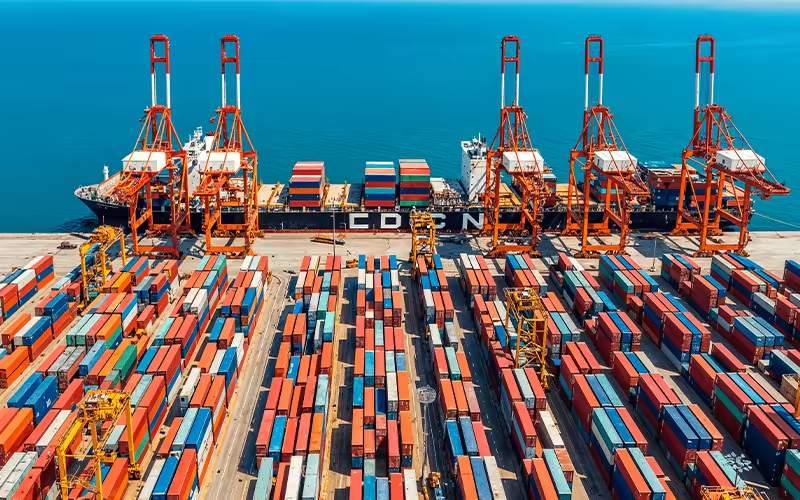
The lane is assigned in seconds, but your risk profile is built over months. Consistency is the cheapest clearance strategy there is.
The shippers who clear fastest are not lucky — they are predictable, and predictability is exactly what the algorithm rewards.
Whether it's a single LCL pallet or a chartered vessel, the conversation starts the same way — with a real person, on the phone or in your inbox.